What Karachi’s Culture Taught Me About Real Pakistan
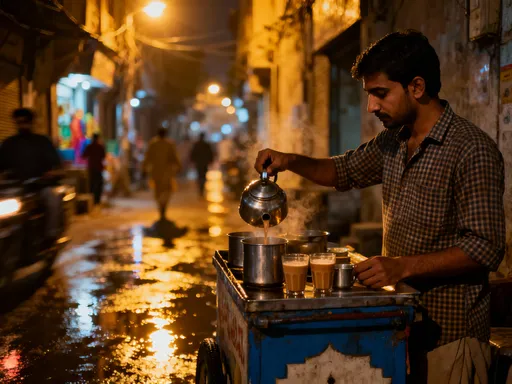
You know what? Karachi isn’t just Pakistan’s biggest city — it’s its beating heart. I went expecting chaos, but found something deeper: raw, vibrant culture in every alley, market, and midnight chai stall. From forgotten heritage walks to underground music gigs, I discovered layers most travelers miss. This isn’t just a city of crowds — it’s a living story of resilience, flavor, and warmth. Let me take you where the real Pakistan comes alive. What I found wasn’t in guidebooks or tourist brochures, but in the quiet dignity of an elderly woman selling handmade chai in a back lane, in the laughter of children playing cricket between parked rickshaws, and in the defiant beauty of street murals painted over cracked walls. Karachi teaches you to look beyond the surface, to listen closely, and to open your heart to a culture that has learned to thrive despite odds.
First Impressions: Beyond the Noise
Arriving in Karachi for the first time is an experience that engages all the senses at once. The city greets visitors with a symphony of honking rickshaws, the scent of sizzling kebabs and diesel fumes, and a kaleidoscope of colors from hand-painted buses to women in bright shalwar kameez navigating the sidewalks. The initial impression can be overwhelming — a sprawling metropolis of over 16 million people where order seems elusive. Yet, within this apparent disorder lies a rhythm, a logic that only becomes visible when you slow down and observe.
Many outsiders assume Karachi is defined by its traffic jams and urban sprawl, but those who take the time to look deeper find a city that pulses with life and purpose. The so-called chaos is, in fact, a complex web of informal systems — from street vendors organizing supply chains to commuters coordinating shared rides — that function with surprising efficiency. Locals move through the city with a kind of intuitive grace, balancing daily challenges with humor and resilience. A traffic jam becomes an opportunity to share jokes with fellow drivers; a power outage turns into a chance for family storytelling by candlelight.
What struck me most was how Karachi’s residents embrace their environment without romanticizing it. They acknowledge the city’s struggles — the infrastructure gaps, the pollution, the occasional unrest — but they do not let these define their identity. Instead, they celebrate what makes Karachi unique: its diversity, its energy, and its relentless spirit. This attitude sets the tone for any meaningful cultural experience. When travelers shed preconceived notions and approach the city with curiosity rather than judgment, they begin to see the beauty in its imperfections.
Historic Soul: Walking Through Time in Saddar and Lyari
Beneath Karachi’s modern skyline lies a rich architectural legacy that tells the story of its evolution. In neighborhoods like Saddar, colonial-era buildings stand as quiet witnesses to history. Grand structures with arched windows, wooden balconies, and intricate stonework reflect British influence, while nearby mosques and Hindu temples speak to the city’s pluralistic past. These buildings are not just relics — they are still in use, housing offices, shops, and homes, blending the old with the present in a seamless, if sometimes fragile, coexistence.
Walking through Saddar’s backstreets feels like flipping through the pages of a living history book. You’ll pass a century-old bakery next to a bustling mobile phone repair shop, or a post office built in the 1880s across from a modern coffee chain. This layering of time is one of Karachi’s defining characteristics. It’s not a museum piece frozen in the past, but a city that has absorbed every era it has lived through. Guided heritage walks, often led by local historians and architecture enthusiasts, offer insight into this overlooked dimension of the city.
Equally compelling is Lyari, one of Karachi’s oldest neighborhoods and a cultural stronghold for the Baloch and Sindhi communities. Known for its deep musical roots and strong family traditions, Lyari pulses with the rhythms of dhol and harmonium. The narrow alleys are lined with small eateries serving Sindhi specialties like sai bhaji and dal pakwan, and the air is often filled with the sound of folk songs passed down through generations. Despite facing economic challenges and social marginalization, Lyari remains a place of pride and cultural continuity.
Efforts to preserve these historic areas are growing. Community organizations, urban planners, and young activists are working together to document oral histories, restore damaged buildings, and promote cultural tourism that benefits local residents. These initiatives are not about gentrification, but about honoring the city’s roots while creating space for sustainable development. For the thoughtful traveler, visiting these neighborhoods is not just educational — it’s a way to support communities that keep Karachi’s soul alive.
Art That Speaks: Galleries, Murals, and Street Expression
Karachi’s art scene is a powerful testament to the city’s creative spirit. In recent years, galleries like Koel Gallery and Taseer Art Gallery have emerged as vital spaces for contemporary Pakistani artists to explore identity, memory, and social change. These venues host exhibitions that challenge viewers to think critically about history, gender, and national belonging. Paintings, sculptures, and multimedia installations reflect both personal journeys and collective experiences, offering a window into the minds of a generation shaped by rapid urbanization and global connectivity.
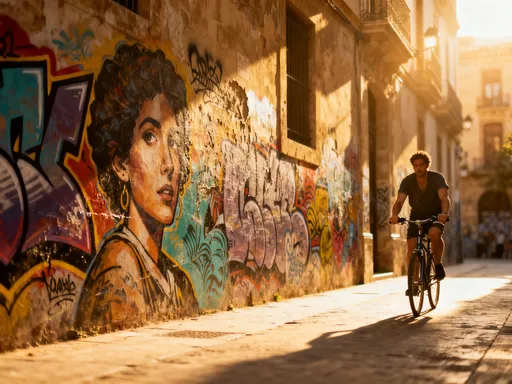
But art in Karachi is not confined to white-walled galleries. It spills into the streets, transforming neglected walls into vibrant storytelling canvases. Street art movements, often led by young collectives, use murals to address issues like environmental degradation, women’s rights, and cultural preservation. One striking example is a series of large-scale paintings in the Soldier Bazaar area, where artists depicted historical figures alongside everyday citizens, blurring the line between hero and commoner. These works do more than beautify the city — they reclaim public space and invite dialogue.
What makes Karachi’s art scene particularly compelling is its accessibility. Unlike in some global cities where art feels exclusive, here it is part of daily life. A schoolteacher might pause on her way to work to admire a new mural; children might mimic poses from a painted tableau during recess. Art is not a luxury — it’s a form of resistance, celebration, and communication. For visitors, engaging with this creative energy means attending gallery openings, joining mural tours, or simply keeping an eye out for unexpected beauty around corners.
The rise of art in public spaces also reflects a broader shift in how Karachi’s youth see their role in society. They are not waiting for permission to express themselves — they are creating platforms, organizing events, and using social media to amplify their voices. This DIY ethos is especially evident in collaborative projects that bring together artists from different backgrounds to co-create works that reflect Karachi’s diversity. In a city often portrayed through the lens of conflict, these artistic expressions offer a counter-narrative of hope, creativity, and unity.
Flavors That Connect: A Food Journey Through Communities
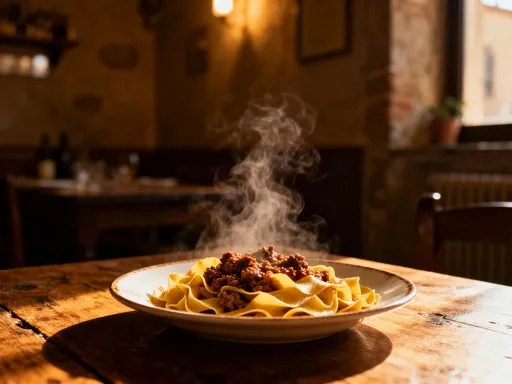
No exploration of Karachi’s culture is complete without diving into its culinary landscape. The city’s food is a living archive of migration, trade, and cultural fusion. As a major port city, Karachi has long been a crossroads where people from across South Asia and beyond have settled, bringing their recipes and flavors with them. The result is a gastronomic mosaic that includes Mughlai curries, Sindhi biryanis, Balochi sajji, Parsi dhansak, and even Goan-inspired baked goods like bebinca and bolinhas.
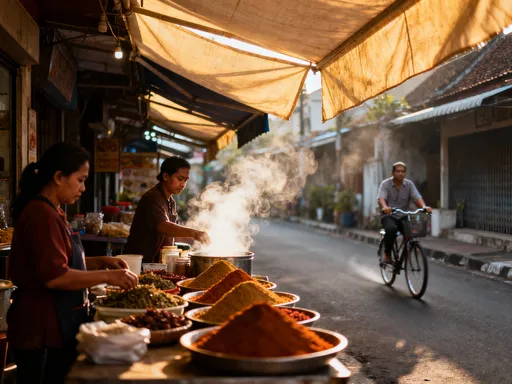
Burns Road, perhaps the most famous food street in Karachi, comes alive at night when families, students, and workers gather to enjoy everything from spicy nihari to sweet falooda. The narrow lane buzzes with energy — vendors shout orders, smoke rises from grills, and the scent of cumin and cardamom fills the air. But Burns Road is more than just a place to eat; it’s a social institution where people from all walks of life come together. A businessman in a suit might sit on a plastic stool next to a college student, both savoring the same plate of kebabs. This shared experience is what makes food streets such vital cultural hubs.
For a more intimate encounter with Karachi’s culinary traditions, nothing compares to dining in a local home. Several community-based tourism initiatives now offer home-cooked meal experiences, where travelers are welcomed into families’ homes to share a meal and hear personal stories. I remember sitting on the floor of a Sindhi household, eating hand-rolled roti with lentils and pumpkin curry, while the grandmother explained how her mother taught her to cook without measuring spoons — “by feel, by heart.” These moments create deep connections, turning a meal into a shared act of hospitality and trust.
Karachi’s food culture also reflects its religious and ethnic diversity. During Ramadan, the city transforms with iftar tents offering free meals to thousands, regardless of background. Christian bakeries in Saddar prepare special Easter breads, while Hindu families open their doors during Diwali to share sweets with neighbors. Food, in this context, becomes a language of coexistence, a way of saying, “You belong here.” For visitors, respecting local customs — such as removing shoes before entering a home or using the right hand to eat — is a small but meaningful way to honor this tradition of generosity.
Rhythms of the City: Music, Dance, and Underground Scenes
Music is the unseen thread that weaves through Karachi’s daily life. From the soulful strains of Sufi qawwali echoing at shrines like Abdullah Shah Ghazi to the syncopated beats of jazz in hidden lounges, the city’s soundscape is as diverse as its people. Qawwali, a devotional music form with roots in Persian and Indian traditions, draws crowds every Thursday night, where men and women, young and old, gather to listen, clap, and sometimes enter trance-like states of spiritual ecstasy. These gatherings are not performances — they are acts of devotion, where music becomes a bridge to the divine.
At the same time, a vibrant underground music scene has been gaining momentum. Indie bands, spoken word poets, and experimental musicians are finding spaces to perform in cafes, art galleries, and private lofts. Events like poetry slams and acoustic nights provide platforms for young artists to express themselves freely, often blending Urdu, Sindhi, and English in their lyrics. The music is raw, honest, and deeply reflective of the challenges and hopes of urban youth.
One of the most exciting developments is the fusion of traditional and modern sounds. Bands are incorporating instruments like the rubab and tabla into rock and electronic music, creating a sound that is uniquely Karachi. This blending is not just artistic — it’s symbolic. It represents a generation that honors its roots while embracing innovation. For travelers, attending a live gig or poetry night is a rare opportunity to witness culture in motion, unfiltered and authentic.
Dance, too, plays a role, though it is often more private than public. In homes and community centers, traditional dances like the dhammal and jigra are performed during weddings and festivals. These dances are not just entertainment — they are expressions of joy, community, and cultural continuity. While public dance events are rare due to social norms, visitors may be invited to private celebrations where they can observe or even participate, always with respect for local customs.
Festivals and Faith: Living Traditions in a Diverse Metropolis
Karachi’s religious and cultural festivals offer a powerful glimpse into its spirit of coexistence. Though Pakistan is a Muslim-majority country, Karachi has long been home to religious minorities, including Hindus, Christians, Parsis, and Sikhs. This diversity is celebrated throughout the year, as neighborhoods light up during Diwali, Christmas, and Eid with decorations, music, and shared feasts. It’s not uncommon to see Muslim friends visiting Hindu homes to exchange sweets during Diwali, or Christian families receiving Eid greetings from their Muslim neighbors.
Shrines, temples, and churches serve not only as places of worship but as community centers where people gather for support, celebration, and dialogue. The shrine of Abdullah Shah Ghazi, perched on a hill in Clifton, is a particularly potent symbol of unity. Devotees from all backgrounds come here to offer chadors, light candles, and seek blessings. The caretakers welcome everyone with equal warmth, reinforcing the idea that spirituality transcends labels.
Seasonal events also play a crucial role in cultural exchange. The Karachi Literature Festival, held annually at the Beach Luxury Hotel, brings together writers, poets, and thinkers from across Pakistan and the world. Panels on history, literature, and social issues draw large crowds, including students, professionals, and retirees. What makes this festival special is its inclusivity — discussions are held in both English and Urdu, ensuring broad participation. For visitors, attending such events is a chance to engage with ideas and meet locals who are passionate about knowledge and dialogue.
These festivals and gatherings remind us that culture is not static — it is lived, shared, and constantly evolving. In a world where division often dominates headlines, Karachi’s traditions of mutual respect and celebration offer a quiet but powerful alternative. For travelers, observing or participating in these events — always with humility and permission — can be one of the most enriching parts of a visit.
Traveler’s Guide: How to Experience Culture Like a Local
To truly connect with Karachi’s culture, timing matters. The best period to visit is between November and February, when the weather is mild and humidity is lower. This season also coincides with several cultural events, including the Karachi Literature Festival and various food festivals, offering ample opportunities for immersion. Avoiding the monsoon months (July–August) and the extreme heat of May–June will make exploration more comfortable.
When planning your trip, consider joining community-run tours that prioritize local voices and sustainable practices. Organizations like the Heritage Foundation and Lok Virsa offer guided walks, culinary experiences, and art tours led by residents who know the city intimately. These tours not only provide deeper insight but also ensure that tourism benefits the people who call Karachi home. Always ask questions respectfully and be open to learning — locals appreciate genuine curiosity more than perfect etiquette.
Transportation in Karachi can be challenging for first-time visitors. While ride-hailing apps like Careem and Uber are widely available and safe, using public transport like minibuses or vans is not recommended for tourists due to overcrowding and lack of signage. For short distances, walking is ideal, especially in areas like Saddar or Clifton, where sidewalks are relatively accessible. Always stay aware of your surroundings, keep valuables secure, and avoid isolated areas at night.
Building connections with cultural hosts can transform a visit from sightseeing to meaningful exchange. Platforms like Homestay Pakistan and local Facebook groups can help arrange stays with families who welcome guests into their homes. These experiences often include shared meals, conversations, and invitations to family events, offering a rare window into daily life. Remember to dress modestly, especially when visiting religious sites, and always ask before taking photographs of people.
Conclusion
Karachi doesn’t reveal itself quickly — it unfolds. Each layer, from its food to its music, from its people to its past, tells a story of survival and soul. This city isn’t just worth visiting; it’s worth understanding. By stepping beyond the surface, travelers don’t just see culture — they become part of it. What I learned in Karachi is that real connection comes not from checking landmarks off a list, but from sitting with strangers over steaming cups of chai, listening to stories that never make the news, and allowing yourself to be changed by what you encounter. The real Pakistan isn’t hidden — it’s right here, alive in the heartbeat of its greatest city.