This Is Valencia: Where Art Pops Off Every Wall and Culture Feels Like a Vibe
You know that feeling when a city just gets you? Valencia hit me like sunlight through stained glass—unexpected, colorful, and full of soul. Forget crowded hotspots; this is where art spills onto streets, museums breathe history, and every corner feels like it was made for a slow moment—and a killer photo. I came for the paella, stayed for the creative energy. If your feed needs more culture and less filter, let’s talk about why Valencia is quietly becoming Europe’s most instagrammable secret.
The City That Paints Its Soul
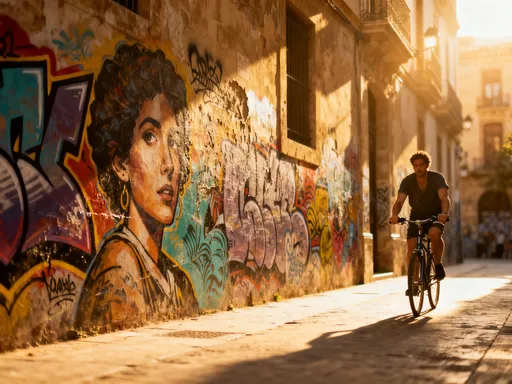
Valencia doesn’t merely display art—it lives it. In the labyrinthine Barrio del Carmen, the city’s ancient heart, creativity isn’t confined to galleries. It surges across limestone walls in sprawling murals that stretch from cobblestone to rooftop. These aren’t random tags or fleeting graffiti; they are deliberate, vibrant narratives painted by local and international artists who’ve been welcomed, not resisted. The city government has long supported urban art as a form of cultural expression, transforming neglected facades into open-air galleries. This embrace of public art gives Valencia a distinct personality—bold, expressive, and deeply human.
Walking through El Carmen is like flipping through the pages of a living sketchbook. One alley reveals a towering woman with flowers blooming from her hair, her eyes following you around the corner. Another displays a surreal fusion of myth and machinery, where winged gears hover above ancient doorways. These works are not just visual treats—they are stories of identity, resistance, and renewal. The neighborhood itself, once overlooked and underdeveloped, has become a canvas for regeneration, proving that art can revitalize both spirit and space.
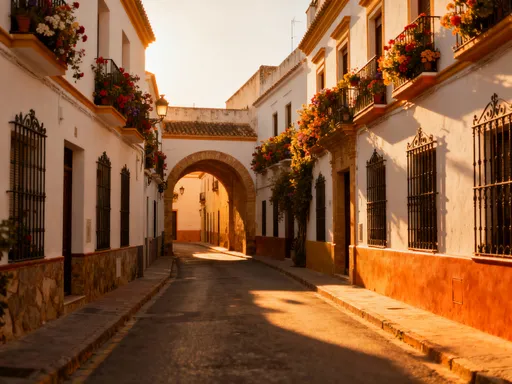
For photographers and visual travelers, timing and perspective are everything. Early morning light, just after sunrise, casts soft golden rays down narrow alleys, highlighting textures in the paint and shadows in the stonework. Late afternoon offers warmer tones, ideal for capturing the contrast between aged walls and vivid pigments. The best angles often require stepping back—literally. Seek out small plazas like Plaça de l’Almoina or Plaça del Tossal, where you can frame a mural against the sky or use archways as natural borders. Avoid midday when harsh sunlight flattens depth and washes out color.
But Valencia’s street art isn’t limited to El Carmen. As you move toward the Turia Gardens—a sunken park built in a former riverbed—you’ll find contemporary installations nestled among palm trees and fountains. Sculptures made of recycled materials, kinetic wind pieces, and digital projections during festivals all contribute to a cityscape that feels alive and ever-evolving. What makes Valencia unique is not just the quantity of its public art, but the way it’s woven into daily life. Children play beneath murals, neighbors chat under painted arches, and tourists pause, phones in hand, capturing moments that feel both spontaneous and sacred.
Beyond the Frame: Museums That Move You
If the streets are Valencia’s open gallery, its museums are its curated soul. They don’t just preserve art—they reinterpret it, challenge it, and invite visitors to feel it. The Institut Valencià d'Art Modern (IVAM) stands as a beacon of contemporary expression, housing works that range from abstract expressionism to digital installations. Its high ceilings, white walls, and strategic lighting create a space where art breathes. But what sets IVAM apart is its commitment to accessibility—both visually and emotionally. Exhibits often include tactile elements, audio guides in multiple languages, and interactive zones that invite deeper engagement, especially for families and solo travelers alike.
Photographically, IVAM offers rich opportunities. Natural light floods through skylights, illuminating sculptures in ways that change with the hour. The central courtyard, with its geometric design and reflective surfaces, becomes a stage for both art and visitors. For the best shots, visit on weekday mornings when the museum is quieter. This allows for unobstructed views and the chance to capture pieces without crowds. Use a polarizing filter to reduce glare on glass-encased works, and don’t shy away from capturing the architecture itself—the interplay of light, shadow, and modernist design is art in its own right.
Equally compelling is the Fallas Museum, a tribute to Valencia’s most iconic festival. Here, preserved fragments of past fallas—elaborate satirical sculptures made of wood, papier-mâché, and paint—are displayed like relics of a joyful rebellion. The museum doesn’t just show what was built; it explains why. Each piece reflects social commentary, political satire, or cultural homage, created over months by local artist guilds called *ninots*. The lighting is dramatic, almost theatrical, casting deep shadows that enhance the emotional weight of the figures. For visitors, it’s a chance to understand the depth behind the festival’s fiery finale.
Then there’s the Museo de Bellas Artes, one of Spain’s most important fine arts institutions. Housed in a neoclassical building with a serene garden, it offers a journey from Gothic altarpieces to Impressionist landscapes. The museum’s curation emphasizes storytelling—how art evolved alongside Valencia’s history. For photography, the challenge is subtlety. Flash is prohibited near delicate works, so rely on steady hands or a tripod where permitted. Morning visits again provide the softest light through the tall windows, ideal for capturing the warmth in 17th-century portraits or the delicate brushwork of Spanish masters.
Architecture That Feels Like a Dream
Nothing in Valencia feels quite as otherworldly as the City of Arts and Sciences. Designed by Valencian architect Santiago Calatrava, this futuristic complex rises from the dry riverbed like a vision from tomorrow. Comprising an opera house, science museum, aquarium, and more, its sweeping curves, white concrete, and reflective pools create a landscape that feels both monumental and serene. It’s architecture as poetry—a place where form and function dance in perfect balance.
The complex is most striking at golden hour, when the setting sun bathes the structures in amber light. The Palau de les Arts Reial Opera, with its helmet-like dome, glows like a sentinel. The L’Hemisfèric, shaped like a giant eye, reflects the sky in its curved screen, creating a mirror effect that doubles the drama. For photographers, the key is perspective. The wide plaza in front offers a classic frontal view, but the most compelling shots come from the bridge over the old riverbed, where you can capture the reflection of the buildings in the still water. Low angles, using the pools as foreground, add depth and scale.
Drone photography is permitted in some areas but requires prior authorization from local authorities. Recreational drones are not allowed to fly directly over the complex or near crowds. For those without drones, a telephoto lens can compress distance and isolate architectural details—the curve of a staircase, the pattern of tiles, the interplay of light on glass. Tripods are allowed outside but must not obstruct pathways. Early mornings are ideal, not just for light but for solitude. By midday, the area fills with tour groups and families, making clean compositions difficult.
What makes the City of Arts and Sciences truly unique is how it integrates with the city’s identity. It’s not a detached landmark—it’s a living space. Locals jog along its pathways, couples picnic by the pools, and children chase pigeons across the plaza. This daily interaction softens its futuristic edge, making it feel welcoming rather than alien. For visitors, this means the architecture isn’t just to be seen—it’s to be experienced. Sit on a bench, watch the light shift, and let the space tell its story slowly.
Hidden Courtyards and Secret Murals
Beyond the well-trodden paths lies a quieter, more intimate Valencia. In the Barrio del Carmen, behind unmarked wooden doors, lie medieval courtyards—*patios*—that have existed for centuries. These hidden spaces, once the heart of domestic life, are now carefully preserved by residents who open them during cultural events like the Patios Festival. Tiled floors, climbing jasmine, and wrought-iron balconies create pockets of tranquility, where time seems to slow. These patios are not staged for tourists; they are lived-in, cherished spaces that reflect the rhythm of local life.
Discovering them requires curiosity and respect. Some are marked with small plaques; others reveal themselves only to those who wander slowly. When photographing these spaces, silence is as important as composition. Speak softly, ask permission when residents are present, and avoid intrusive close-ups. The most powerful images often come from wide shots that capture the entire courtyard, showing how architecture, nature, and daily life coexist. Morning light filters through upper windows, illuminating tiles and plants with a soft glow—ideal for capturing texture and mood.
Equally hidden are artist-run pop-ups and micro-galleries tucked into narrow alleys. These spaces, often open for only a few weeks, showcase experimental work by emerging Valencian creators. Finding them requires local insight—chat with gallery attendants, follow independent art collectives on social media, or visit cultural centers like Espai del Almodí for event listings. These venues value authenticity over spectacle, offering a raw, unfiltered look at the city’s creative pulse.
Responsible exploration means more than just good manners—it means understanding that these spaces are not attractions, but homes and studios. Avoid posting geotags that could lead to overcrowding. Instead, share the feeling—the hush of a courtyard, the surprise of a mural around a blind corner, the warmth of an artist welcoming you into their workspace. True discovery isn’t about checking boxes; it’s about forming connections, however fleeting.
Markets as Living Canvases
Valencia’s markets are not just places to buy food—they are sensory masterpieces. Mercado Central, housed in a stunning Modernist building from the early 20th century, is a feast for the eyes as much as the palate. Its iron and glass roof filters sunlight into dappled patterns on the floor, while colorful tiles depict local agriculture—grapes, oranges, artichokes—each a tribute to the region’s bounty. Inside, stalls overflow with fresh produce, hanging sausages, wheels of cheese, and glistening seafood arranged like sculptures.
For photographers, the market offers dynamic energy. Vendors in white aprons move with practiced grace, tossing olives into paper cones or slicing jamón with long, steady knives. The challenge is capturing motion without blur. Use a faster shutter speed—1/250 or higher—and shoot in bursts to catch the perfect moment. Natural light is strongest near the entrances and under the glass ceiling, so plan your route accordingly. Early mornings, between 8 and 10 a.m., offer the best light and the most activity, before the midday lull.
Equally enchanting is Mercado de las Nieves, a smaller, less touristy alternative in the Ruzafa neighborhood. Here, the atmosphere is more neighborhood kitchen than grand monument. Stalls sell organic vegetables, artisan bread, and regional specialties like quince paste and cured olives. The ceiling, painted in soft pastels, adds a dreamy quality to the space. Because it’s smaller, interactions feel more personal. A vendor might offer you a taste of honey or explain how their tomatoes are grown without pesticides.
When photographing people, always ask first. A simple smile and a gesture toward your camera often suffice. Most vendors are proud of their work and happy to be included—just avoid shooting during busy moments when they’re focused on customers. Respectful photography means capturing dignity, not just color. These markets aren’t backdrops; they’re workplaces, community hubs, and cultural anchors. Your images should honor that.
Festivals That Turn Streets into Stages
No event defines Valencia’s creative spirit more than Las Fallas, a ten-day festival in March that transforms the city into a living theater of art and fire. For months, artist guilds work in secret workshops to build *fallas*—giant, satirical sculptures made of wood, cork, and paint. These towering figures, some reaching five stories high, line the streets, turning plazas into open-air museums. They mock politicians, parody pop culture, and celebrate local legends, all with a sharp wit and elaborate craftsmanship.
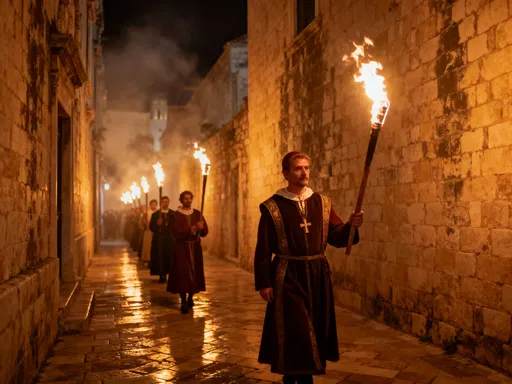
The festival peaks with the *cremà*, the ceremonial burning of the fallas. On the final night, each neighborhood gathers to set fire to its sculpture in a spectacle of light, smoke, and emotion. It’s not destruction—it’s release, a letting go of the past year’s tensions and jokes. The flames rise, the crowd cheers, and within minutes, the intricate work is gone, leaving only ash and memory. For visitors, it’s a powerful reminder that art doesn’t need permanence to have meaning.
Even outside the festival, the spirit of Las Fallas lingers. The Fallas Museum preserves one *ninot* each year—voted the most popular by children—saving it from the flames. Workshops are open to the public during the lead-up, offering a rare glimpse into the creation process. Travelers can attend guided tours, watch artists paint faces or assemble limbs, and even try their hand at simple tasks under supervision.
Respectful participation means understanding the festival’s roots. It’s not a performance for tourists—it’s a deep civic tradition. Avoid obstructing processions, keep noise low during early morning installations, and follow local guidance during fireworks. The true beauty of Las Fallas isn’t just in the flames, but in the months of collaboration, pride, and community that fuel them.
Culture You Can Carry Home
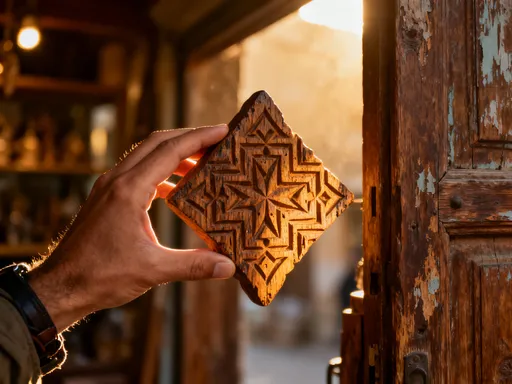
The best souvenirs aren’t bought—they’re made, learned, or felt. In Valencia, the most meaningful mementos come from connection. In the Ruzafa district, local ceramicists create hand-painted plates, vases, and tiles using traditional Valencian techniques. These pieces, often decorated with floral motifs or cobalt blues, carry the essence of the region’s craftsmanship. Buying one supports small artisans and brings a piece of local artistry into your home.
Bookshops like Llibreria Pàgina 2 also offer lasting memories. They stock art books on Valencian muralists, photography collections of the City of Arts and Sciences, and bilingual guides to the city’s hidden courtyards. These aren’t just souvenirs—they’re invitations to continue the journey long after you’ve returned home.
Even more personal are creative workshops. Some studios offer short courses in ceramic painting, mural sketching, or traditional tile design. These sessions, often led by local artists, provide not just a handmade object, but a story—the feel of clay, the smell of paint, the pride of creation. They transform travel from observation to participation.
Ultimately, the goal isn’t to collect, but to reflect. A photo of a mural is beautiful; understanding the artist’s message makes it meaningful. A ceramic plate is decorative; knowing the hands that shaped it makes it sacred. Valencia teaches us that culture isn’t something to consume—it’s something to carry forward, quietly, with gratitude.
Valencia doesn’t shout for attention—it hums with creativity, inviting you to look closer, stay longer, and share not just pictures, but stories. In a world of repetitive feeds, it offers something rare: authenticity with aesthetic power. The next time you crave inspiration, point your lens here. Culture, color, and quiet magic await.